📍 Key Information
- Official Name: Islamic Republic of Pakistan (Islāmī Jumhūriyah-yi Pākistān)
- Capital: Islamabad
- Largest City: Karachi (Financial and industrial hub)
- Area: 881,913 km² (33rd largest globally)
- Population: ≈ 254.5 million (Dec 2025 UN estimate); the world’s 5th most populous country.
- Official Languages: Urdu (National) and English (Official); Regional languages include Punjabi, Pashto, Sindhi, and Balochi.
- Currency: Pakistani Rupee (PKR)
- Time Zone: PKT (UTC +5)
- Political System: Federal parliamentary Islamic republic
- Leaders: President: Asif Ali Zardari | Prime Minister: Shehbaz Sharif | Chief of Army Staff: Asim Munir
📜 History
- Ancient Civilizations: Home to the Indus Valley Civilization (Mohenjo-Daro and Harappa), one of the world’s oldest urban cultures.
- Islamic & Mughal Era: Witnessed centuries of Islamic rule, peaking with the Mughal Empire which left a massive architectural legacy.
- Independence (1947): Gained independence from British rule on August 14, 1947, following the partition of British India as a homeland for Muslims.
- Modern Era: A nuclear-armed state that has navigated various cycles of democratic rule and military oversight.
- 2025 Context: The year 2025 has been marked by significant judicial reforms (over 166,000 cases resolved by the Lahore High Court) and intense counter-terrorism efforts in border provinces. Politically, the government remains focused on the “Vision 2025” roadmap to elevate Pakistan into the league of Upper Middle Income countries.
🗺️ Geography
- Diverse Terrain: Stretches from the Arabian Sea in the south to the world’s highest mountain ranges in the north.
- Topography: Divided into three major regions: the northern highlands (Karakoram, Hindu Kush, Himalayas), the Indus River plain (fertile agricultural heartland), and the Balochistan Plateau.
- Highest Point: K2 (8,611 m), the world’s second-highest peak.
- Climate: Ranges from tropical in the south to glaciated in the north; 2025 continues to see recovery and adaptation efforts following major monsoon flood cycles.
👥 People & Society
- Ethnic Diversity: A multicultural society including Punjabis, Pashtuns, Sindhis, Seraikis, Muhajirs, and Balochis.
- Religion: Predominantly Muslim (96.3%); minorities include Hindus (2.2%), Christians (1.4%), and small communities of Sikhs and Parsis.
- Young Population: One of the world’s youngest populations, with a median age of approximately 19 years.
- Social Values: Deeply rooted in family honor (Ghayrat), hospitality (Mehman-nawazi), and religious tradition.
🎭 Culture & Heritage
- Festivals: Large-scale events like the Pakistan Culture Mela 2025 and the World Culture Festival 2025 in Karachi have highlighted the nation’s art, fashion, and music this year.
- Arts & Crafts: Renowned for “Truck Art,” hand-woven carpets, intricate blue pottery from Multan, and Ajrak textiles from Sindh.
- Cuisine: Rich and spicy; iconic dishes include Biryani, Nihari, Sajji, and various types of Kebab. Pakistan is also famous for its high-quality mangoes.
- Music: The home of Sufi Qawwali (famously by Nusrat Fateh Ali Khan) and a booming modern indie and pop scene.
💼 Economy (2025)
- Growth: The economy expanded by 3.0% in the fiscal year ending June 2025, showing a modest rebound in industrial and service sectors.
- Digital Transformation: 2025 saw a massive rise in the digital economy, with over 100,000 Pakistani YouTubers reaching significant milestones, contributing to cultural and IT exports.
- IMF & Loans: In Dec 2025, the IMF approved a $1.2 billion disbursement to support fiscal stability. The government aims for a total of $19.9 billion in foreign inflows for the current fiscal year.
- Key Industries: Textiles (largest export), agriculture (wheat, cotton, rice), and a rapidly growing IT services sector.
✨ Highlights
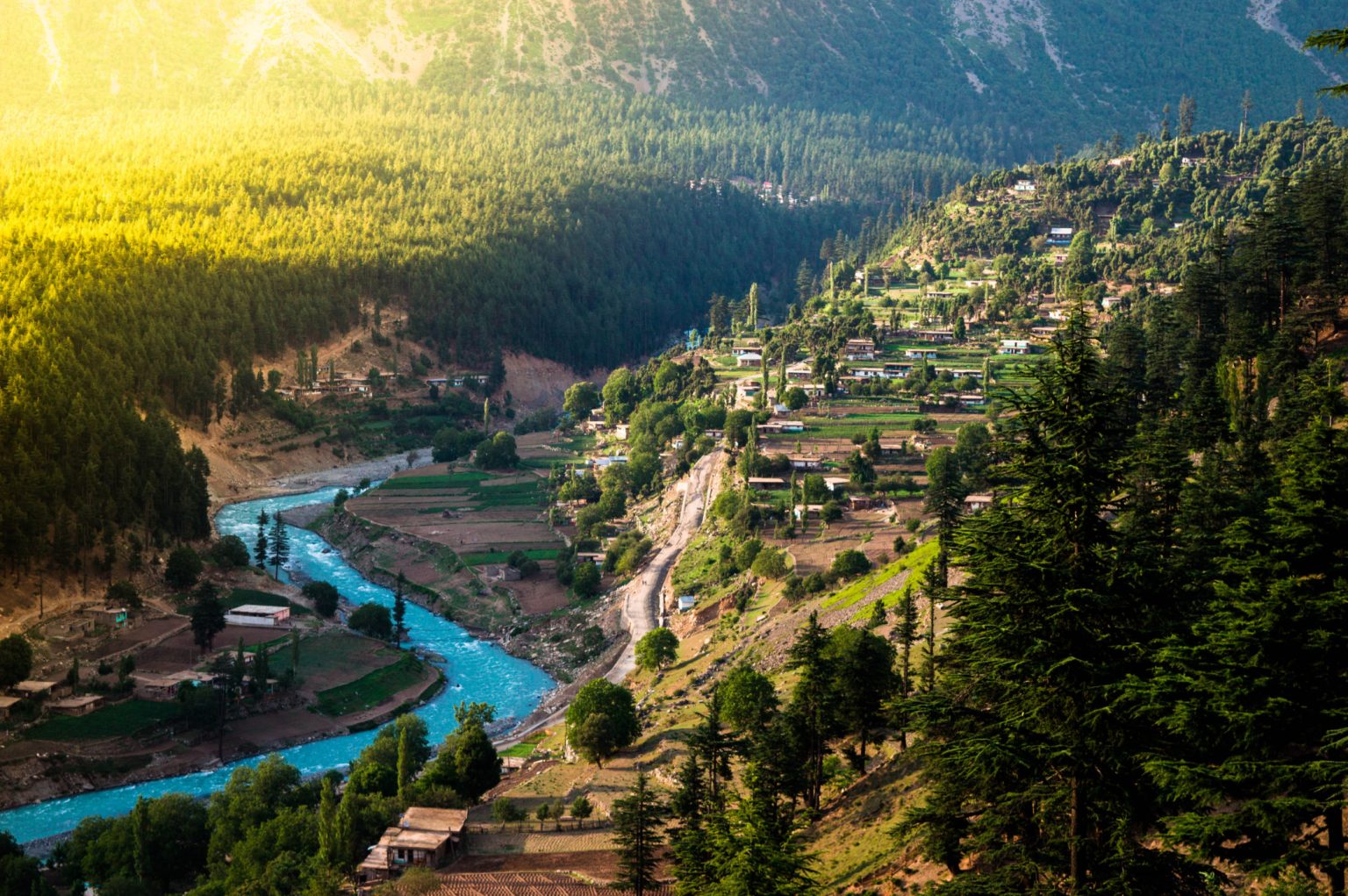
- Hunza Valley: Often called “Heaven on Earth,” known for its breathtaking peaks and ancient Altit and Baltit forts.
- Faisal Mosque (Islamabad): One of the largest and most iconic mosques in the world, set against the Margalla Hills.
- Badshahi Mosque & Lahore Fort: Masterpieces of Mughal architecture in the “cultural heart” of Pakistan.
- Mohenjo-Daro: A UNESCO World Heritage site representing the peak of the Indus Valley Civilization.
- K2 & Fairy Meadows: Essential destinations for world-class mountaineering and trekking.
🧳 Tourism & Experiences
- The Karakoram Highway: Traveling the highest paved international road in the world for “once-in-a-lifetime” vistas.
- Walled City of Lahore: Exploring the narrow alleys for authentic street food like Paaya and Lassi.
- Skardu Valley: The gateway to the highest mountains, featuring the cold Katpana Desert.
- Kartarpur Corridor: A significant spiritual site for the global Sikh community.
🧭 Traveler Essentials (Dec 28, 2025)
- Visas: The Pakistan Online Visa system is efficient; citizens from many countries can apply for an e-visa or are eligible for visa-on-arrival (tourist/business).
- Connectivity: 4G is widely available in cities; 5G rollouts are progressing in major hubs like Islamabad and Karachi.
- Transport: Domestic flights (PIA, Airblue) connect major cities; the “Green Line” train is a popular rail choice. For local transport, InDrive and Bykea are standard.
- Safety: Tourists are advised to avoid border areas with Afghanistan and parts of Balochistan due to security operations. Stick to established tourist circuits in the North, Punjab, and Islamabad.
📊 Summary Data (2025)
| Indicator | Value |
| GDP (Nominal) | ≈ $410.5 Billion |
| GDP (PPP) | ≈ $1.67 Trillion |
| Population | ≈ 254.5 Million |
| GDP Growth | 3.0% (FY2025) |
| Inflation | 4.5% (Projected Dec 2025) |
| Literacy Rate | ≈ 60-62% |
| HDI | 0.540 (Medium) |