📍 Key Information
- Official Name: Republic of Tajikistan (Jumhurii Tojikiston)
- Capital: Dushanbe
- Largest City: Dushanbe
- Area: 143,100 km²
- Population: ≈ 10.7 million (Dec 2025 estimate)
- Official Language: Tajik (Persian-based); Russian is widely used for inter-ethnic communication.
- Currency: Tajikistani Somoni (TJS)
- Time Zone: UTC +5
- Political System: Unitary dominant-party presidential republic
- Leader: President Emomali Rahmon (In power since 1994)
📜 History
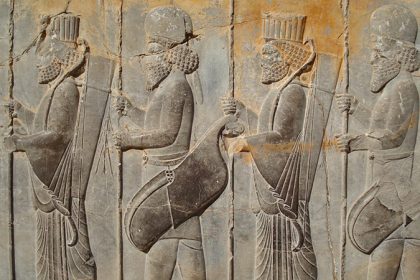
- Ancient Civilizations: Part of the Achaemenid and Samanid Empires; the Tajiks consider the Samanid era (9th–10th century) as the origin of their statehood.
- The Great Game: A strategic buffer between the Russian and British Empires in the 19th century.
- Soviet Era: Formed as the Tajik SSR in 1929; independence was gained in 1991 following the collapse of the USSR.
- Civil War (1992–1997): A devastating five-year conflict followed independence, ending with a UN-brokered peace agreement.
- Modern Era: Stability has been maintained under Emomali Rahmon, though the country remains politically centralized. Dec 2025 marked significant diplomatic addresses regarding regional security.
🗺️ Geography
- The Roof of the World: Over 90% of the country is mountainous; home to the Pamir Mountains.
- Highest Point: Ismoil Somoni Peak (7,495 m).
- Glacier Wealth: Features the Fedchenko Glacier, the longest glacier in the world outside the polar regions.
- Borders: Landlocked, bordering Afghanistan, China, Kyrgyzstan, and Uzbekistan.
- Climate: Continental; extreme temperature variations between the high-altitude Pamirs and the fertile Fergana Valley.
👥 People & Society
- Ethnic Groups: Tajik (≈ 84%), Uzbek (≈ 14%), and small Kyrgyz and Russian minorities.
- Religion: Predominantly Sunni Muslim (Hanafi school); Ismailis (followers of the Aga Khan) are concentrated in the Gorno-Badakhshan region.
- Demographics: A rapidly surging population (increased by 26% over the last decade). Life expectancy reached 77 years in 2025.
- Social Values: Deep-rooted Persian traditions of poetry, tea culture, and hospitality (Mehmondori).
🎭 Culture & Heritage
- Traditional Arts: Famous for Chakan embroidery (UNESCO heritage) and wood carving.
- Music: Shashmaqam, a classical music style shared with Uzbekistan, is a symbol of national heritage.
- Navruz: The Persian New Year is the most celebrated holiday, marked by the preparation of Sumanak (wheat sprout pudding).
- Cuisine: National dish is Qurutob (bread bits with yogurt sauce and onions). Plov is also a staple.
💼 Economy
- Status: Lower-middle-income economy; 2025 saw a robust GDP growth rate of 8.2%.
- Hydropower: A global leader in water resources; the Rogun Dam project is a central focus for energy independence.
- Main Exports (2025): Antimony, precious metals, unprocessed aluminum, cotton fiber, and electricity.
- 2025 Update: The government initiated a moratorium on business inspections (2025–2027) to stimulate private enterprise and reduce the “gray economy.”15
✨ Highlights
- The Pamir Highway (M41): The world’s second-highest international highway, offering some of Earth’s most rugged scenery.
- Nurek Dam: One of the world’s highest man-made dams, creating a massive turquoise reservoir.
- Iskanderkul: A stunning high-altitude lake named after Alexander the Great.
- The Wakhan Corridor: A historic valley bordering Afghanistan with ancient fortresses and hot springs.
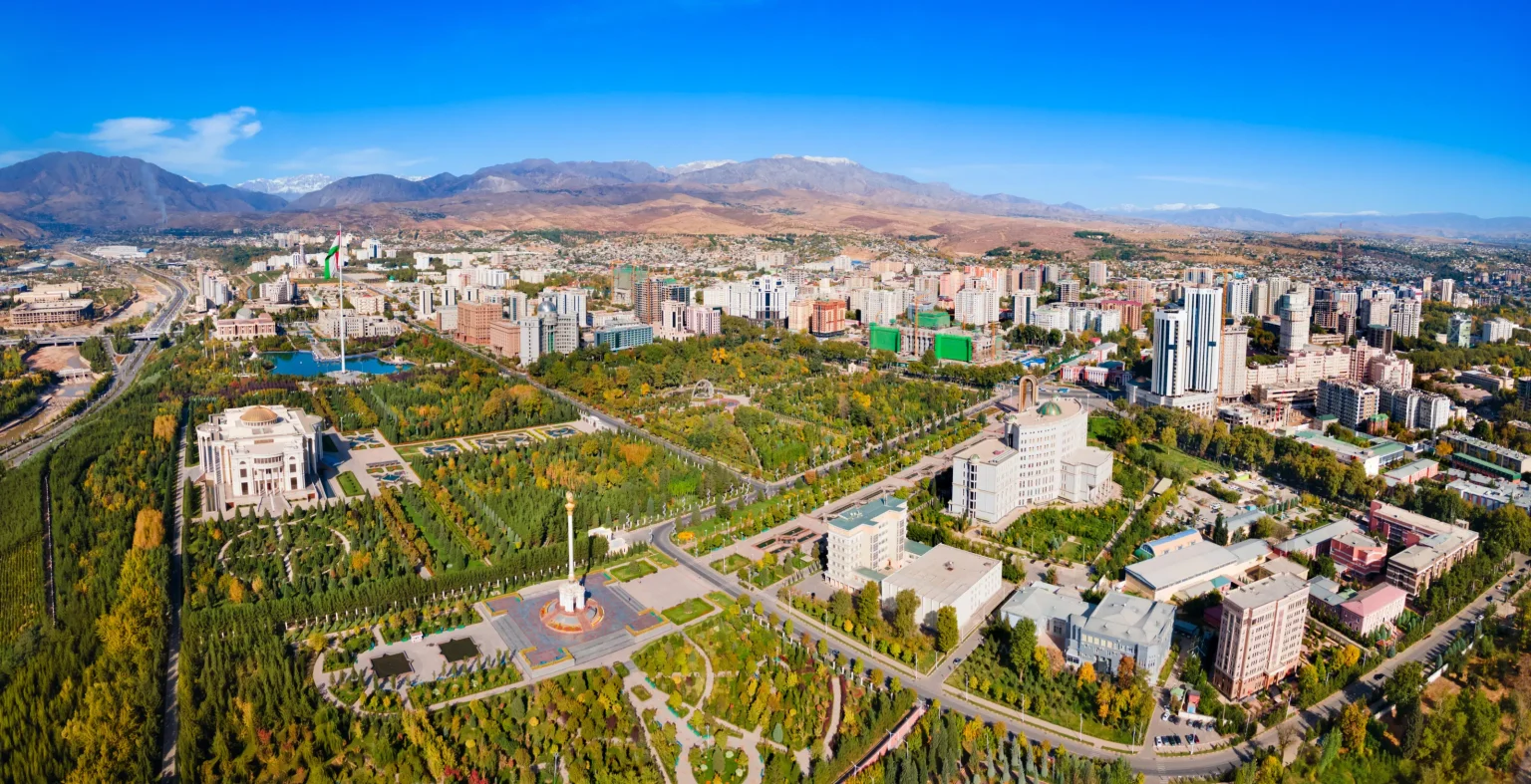
- Dushanbe Flagpole: Once the world’s tallest, standing at 165 meters.
🧳 Tourism & Experiences
- High-altitude trekking in the Fann Mountains.
- Homestays in the Pamirs to experience authentic mountain life.
- Exploring the ruins of Ancient Sarazm, a 5,500-year-old UNESCO site.
- Visiting the National Museum in Dushanbe to see the 13-meter “Sleeping Buddha.”
🧭 Traveler Essentials (Late 2025)
- Entry & Visas: Visa-free for over 50 countries (including many EU and GCC states). E-visa is available for others.
- Safety: Generally safe for tourists, though the border with Afghanistan (Khatlon province) remains a high-security zone due to occasional skirmishes (most recently in Dec 2025).
- Connectivity: 4G is common in Dushanbe but unreliable in the mountains; Tcell and Megafon are major providers.
- Transport: Shared taxis are the primary way to travel between cities; 4WD is essential for the Pamirs.
- Health: Drink only bottled or boiled water; be prepared for high-altitude sickness when traveling to the Pamirs.
📊 Summary Data (2025)
| Indicator | Value |
| GDP Growth | 8.2% |
| Population | ≈ 10.7 Million |
| Literacy Rate | ≈ 99.8% |
| HDI | 0.691 (Latest available) |
| Poverty Rate | 8.2% (Targeting 10% reduction by 2030) |