📍 Key Information
- Official Name: Mongolia
- Capital: Ulaanbaatar
- Largest City: Ulaanbaatar (Home to nearly half the population)
- Area: 1,564,116 km²
- Population: ≈ 3.45 million (2025 estimate)
- Official Language: Mongolian (Cyrillic script)
- Currency: Tögrög (MNT)
- Time Zone: UTC +7 and UTC +8
- Political System: Semi-presidential representative democratic republic
- Founded: 1911 (Independence from Qing dynasty), 1924 (People’s Republic)
📜 History
- Ancient home of nomadic confederations like the Xiongnu.
- Mongol Empire (13th Century): Genghis Khan united the tribes to create the largest contiguous land empire in history.
- Period of Qing Dynasty rule (1691–1911).
- Soviet Era: Second socialist country in the world; satellite state of the USSR for much of the 20th century.
- Democratic Revolution (1990): Peaceful transition to a multi-party system and market economy.
🗺️ Geography
- Landlocked country between Russia and China; the least densely populated sovereign nation in the world.
- Topography: Vast steppes, mountains in the north and west (Altai), and the Gobi Desert in the south.
- Climate: Extreme continental; “Land of the Eternal Blue Sky” with over 250 sunny days, but with brutally cold winters.
- High average elevation: 1,580 meters.
👥 People & Society
- Ethnic Groups: Majority Khalkha Mongols (≈82%), with Kazakh, Durvud, and Bayad minorities.
- Lifestyle: About 30% of the population is still nomadic or semi-nomadic.
- Religion: Tibetan Buddhism (majority), Shamanism, and a Muslim minority (primarily Kazakhs).
- Strong tradition of hospitality: It is customary to welcome travelers into one’s home (Ger).
🎭 Culture & Heritage
- The Three Manly Games: Wrestling, Horse Racing, and Archery (celebrated during the Naadam festival).
- Khoomei: Traditional throat singing that mimics the sounds of nature.
- The Ger: The traditional portable felt tent designed for nomadic life.
- Cuisine: Heavy on meat (mutton, beef) and dairy products (Airag – fermented mare’s milk, Buuz – steamed dumplings).
💼 Economy
- Rich in natural resources; mining (copper, coal, gold) is the backbone of the economy.
- Agriculture: High dependency on livestock (over 60 million head of cattle, sheep, goats, horses, and camels).
- World’s second-largest producer of Cashmere wool.
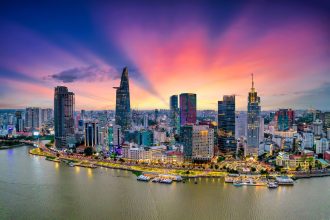
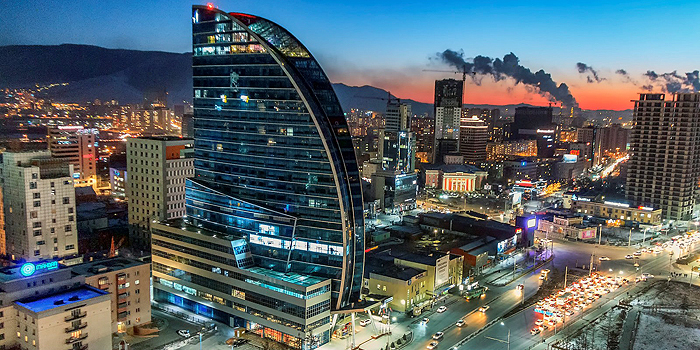
- Rapidly developing infrastructure in Ulaanbaatar, contrasting with traditional rural life.
✨ Highlights
- Gobi Desert: Famous for the “Flaming Cliffs” (dinosaur fossil site) and Khongor Sand Dunes.
- Lake Khövsgöl: Known as the “Blue Pearl,” one of the world’s most pristine freshwater lakes.
- Terelj National Park: Stunning rock formations and alpine scenery near the capital.
- Genghis Khan Statue Complex: The world’s tallest equestrian statue.
- Altai Mountains: Home to the Kazakh eagle hunters.
🧳 Tourism & Experiences
- Staying in a traditional Ger with a nomadic family.
- Horseback riding treks across the open steppe.
- Attending the Naadam Festival in July or the Golden Eagle Festival in October.
- Stargazing in the Gobi with zero light pollution.
🧭 Traveler Essentials
- Entry & Visas: Visa-free for many nationalities (including EU, USA, Canada) for short stays; e-visa available for others.
- Currency & Payments: MNT; cards are common in Ulaanbaatar, but cash is mandatory in the countryside.
- Connectivity: Surprisingly good 4G in town centers; limited to satellite in the deep wilderness.
- Transport: Domestic flights and the Trans-Mongolian Railway; rural travel requires 4×4 vehicles (often Russian vans).
- Health & Safety: Very safe for travelers; pollution in Ulaanbaatar in winter is a health concern.
- Best Time to Visit: June to August (mild weather and festivals).
📊 Summary Data
| Indicator | Value |
| Area | 1,564,116 km² |
| Population | ≈ 3.45 million |
| Capital | Ulaanbaatar |
| Currency | MNT |
| Time Zone | UTC +7 / +8 |
| Literacy Rate | ≈ 98.4% |
| HDI | ≈ 0.741 (High) |
| Main Exports | Coal, Copper, Gold, Iron Ore, Cashmere |